Fine Art Paper Guide: How to Choose the Best Paper for Watercolor, Drawing, Ink & Printmaking
🎨 Skip straight to the Art Paper Quiz
Fine art paper is not just the thing underneath your artwork.
It is part of the artwork.
The paper you choose affects how watercolor blooms, how ink lines stay crisp, how graphite layers, how printmaking ink transfers, and how long your finished piece can last. A beautiful paint, pencil, or ink can only do so much if the paper underneath it is fighting you.
And if you have ever stood in front of the paper section wondering what in the world the difference is between hot press, cold press, rough, 100% cotton, rag, handmade, mould-made, 140 lb, 300 gsm, or acid-free paper, you are not alone.
Paper can feel confusing at first, but once you understand a few key terms, choosing the right artist paper becomes much easier.
In this guide, we will walk through what fine art paper is, why it matters, and how to choose the best paper for watercolor, gouache, drawing, ink, calligraphy, mixed media, and printmaking.

Quick Answer: What Is Fine Art Paper?
Fine art paper is paper made specifically for art materials like watercolor, gouache, ink, graphite, charcoal, colored pencil, pastel, calligraphy, printmaking, and mixed media.
Unlike regular copy paper, fine art paper is chosen for its fiber content, texture, weight, absorbency, sizing, and durability. The right paper helps your materials perform the way they are supposed to perform.
Watercolor paper needs to handle water without falling apart. Drawing paper needs enough tooth to hold graphite or colored pencil. Printmaking paper needs strength and softness. Ink paper needs a surface that keeps lines clean instead of feathering.
That is why paper matters so much.
Why Fine Art Paper Matters More Than You Think
It is easy to think, “It is just paper.”
But artists know the truth: the surface changes everything.
A watercolor wash on poor paper may look patchy, dull, or overworked. The same paint on a quality watercolor paper may glow. A pen line on the wrong paper may feather and bleed. On the right paper, it can stay sharp and beautiful. Colored pencil may barely grip one surface but layer beautifully on another.
Good fine art paper can help you get:
- Cleaner watercolor washes
- Better color saturation
- Sharper ink and calligraphy lines
- More control with graphite, charcoal, and colored pencil
- Stronger sheets for printmaking and mixed media
- Less buckling when using wet media
- Better archival quality for artwork you want to frame, sell, gift, or keep
When your materials are not behaving the way you expected, the problem may not be your skill. Sometimes, it is the paper.

A Brief History of Fine Art Paper
Fine art paper has a long and beautiful history. Many of the names artists still trust today come from mills with generations, and sometimes centuries, of papermaking knowledge behind them.
Artists often encounter names like Fabriano, Arches, Hahnemühle, Velké Losiny, St Cuthberts Mill, and Bee Paper when shopping for watercolor paper, handmade paper, drawing paper, printmaking paper, and fine art papers.

Fabriano
Fabriano is an Italian papermaking name connected to historic European paper traditions. Artists often associate Fabriano with watercolor paper, drawing paper, printmaking paper, cotton-fiber papers, watermarking, and traditional sizing methods.
Arches

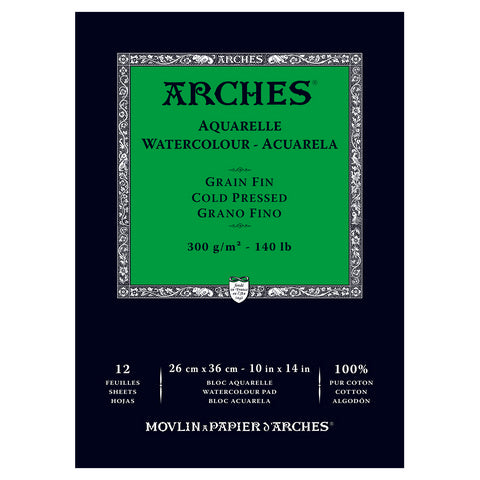
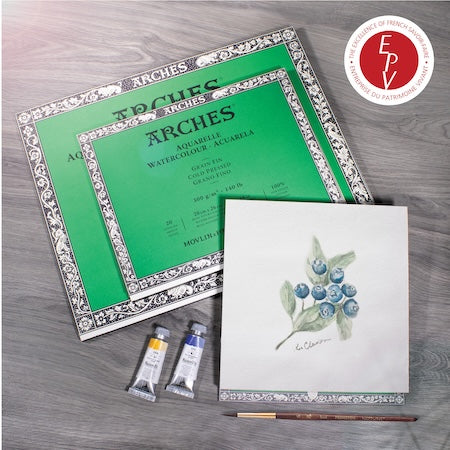
Arches is a French paper mill known for professional artist papers, especially watercolor paper. Many artists love Arches for its cotton content, reliable surface, and traditional cylinder-mould production.
Hahnemühle

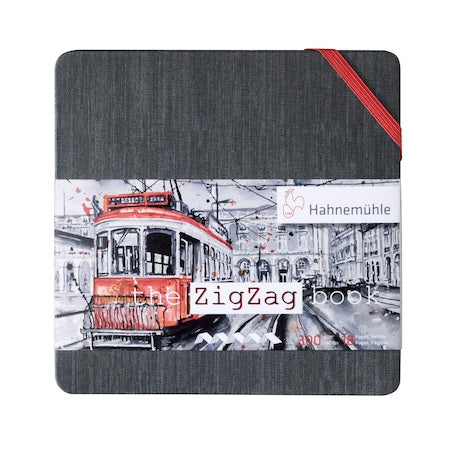
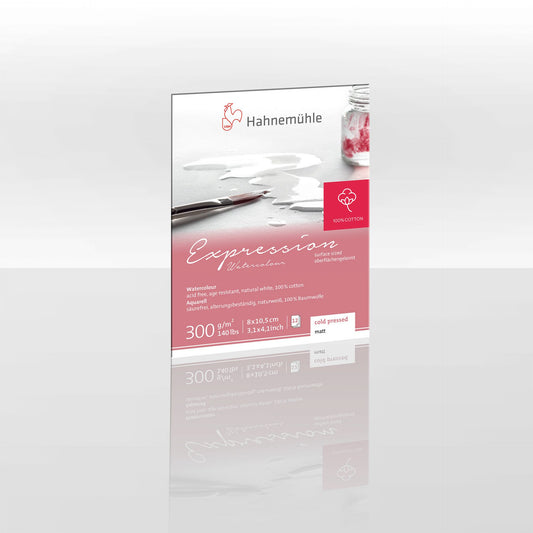
Hahnemühle is a German paper maker with deep roots in fine art paper. The brand is known for watercolor papers, drawing papers, printmaking papers, sketch papers, and digital fine art papers. Huntsville Art Supplies has carried Hahnemühle fine art paper-related products, including Matte FineArt Smooth Photo Rag / Rice Paper options in internal product materials.
Velké Losiny

Velké Losiny is a Czech handmade paper mill known for traditional handmade sheets. Papers like these are loved for calligraphy, book arts, printmaking, presentation pieces, and projects where the paper itself becomes part of the visual story.
St Cuthberts Mill

St Cuthberts Mill in Somerset, England is known for mould-made artist papers, including watercolor and printmaking papers. These papers often offer a beautiful balance between handmade character and consistent performance.
Bee Paper

Bee Paper is a modern artist-paper brand often chosen by students, sketchers, teachers, and working artists who want dependable everyday paper options for practice, drawing, mixed media, and studies.
The names may be different, but the question is always the same: what kind of paper best supports the way you make art?

Key Features to Look for in Fine Art Paper
Once you understand a few paper terms, shopping becomes much less overwhelming. Here are the main things to look for when choosing artist paper.
1. Fiber Content: Cotton, Rag, Cellulose, and Specialty Fibers
Fiber content is one of the biggest differences between student paper and professional artist paper.
100% Cotton Paper
100% cotton paper is a favorite for watercolor artists, printmakers, and mixed media artists because it is strong, absorbent, and durable. It usually handles water, lifting, glazing, layering, and reworking better than lower-grade papers.
If you are making finished watercolor paintings, 100% cotton watercolor paper is often worth the upgrade.
Rag Paper
Rag paper often refers to cotton or linen-based paper. Historically, rag papers were made from textile fibers. Many handmade, printmaking, and archival papers still connect to that tradition.
Rag paper is often loved for its strength, softness, and beautiful surface.
Alpha-Cellulose Paper
Alpha-cellulose paper is usually made from purified wood pulp. This does not automatically make it bad. A well-made, acid-free alpha-cellulose paper can be a wonderful choice for practice, sketching, studies, classroom work, and budget-friendly projects.
The key is choosing paper that is made for art, not office printing.
2. How the Paper Is Made: Handmade, Mould-Made, or Machine-Made
The way paper is made affects how it looks, feels, performs, and costs.
Handmade Paper
Handmade paper is formed sheet by sheet. It often has natural deckled edges, slight irregularities, and a special character that artists love.
Handmade paper can be beautiful for:
- Calligraphy
- Book arts
- Printmaking
- Special letters or certificates
- Presentation pieces
- Artwork where the paper edge matters
Mould-Made Paper
Mould-made paper is produced on a cylinder mould. It gives artists a lovely balance between handmade character and reliable consistency.
Many professional watercolor papers and printmaking papers are mould-made because they have strength, surface beauty, and dependable performance.
Machine-Made Paper
Machine-made paper is very consistent and often more affordable. It is useful for sketchbooks, pads, practice paper, classroom use, and everyday studio work.
Machine-made does not mean useless. It simply means it may be more uniform and budget-friendly.
3. Surface Texture: Hot Press, Cold Press, and Rough Paper
Texture changes everything.
The surface of the paper affects how paint moves, how ink sits, how pencil grabs, and how much detail you can create.
Hot Press Paper
Hot press paper is smooth.
It is a great choice for:
- Detailed watercolor painting
- Botanical watercolor
- Pen and ink
- Calligraphy
- Colored pencil
- Illustration
- Fine line drawing
If you want crisp edges and tiny details, hot press paper may be your friend.
Cold Press Paper
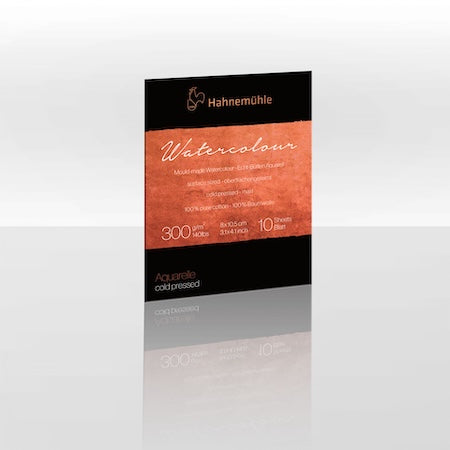
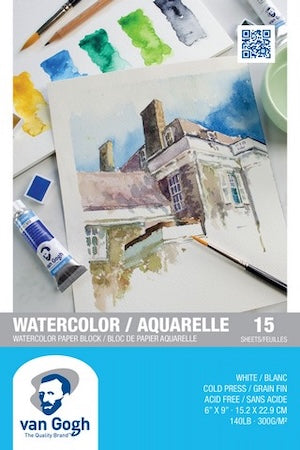
Cold press paper has a medium texture. It is the most popular all-purpose watercolor paper surface and a wonderful place for beginners to start.
Cold press paper works well for:
- Watercolor washes
- Gouache
- Brushwork
- Layering
- General watercolor painting
- Landscape painting
- Loose florals
If you are not sure where to begin, start with cold press watercolor paper.
Rough Paper
Rough paper has a pronounced texture.
It is beautiful for artists who want expressive marks, granulating pigments, broken brush texture, and dramatic washes.
Rough watercolor paper is especially useful for:
- Expressive watercolor
- Landscape painting
- Dry-brush effects
- Granulating watercolor pigments
- Textured skies, rocks, trees, and water

4. Paper Weight: What Does 140 lb / 300 gsm Mean?
Paper weight tells you how thick and sturdy a sheet is.
One of the most common watercolor paper weights is 140 lb / 300 gsm. This is a versatile medium-heavy paper that works for many watercolor, gouache, ink, and mixed media techniques.
Lighter paper may buckle more when you add water. Heavier paper, such as 300 lb / 640 gsm, is thicker and more rigid. It can handle heavy washes beautifully, but it is also more expensive.
For many artists, 140 lb / 300 gsm cold press watercolor paper is the sweet spot.
Simple Paper Weight Guide
- Lightweight paper (70lb to 120 lb): Good for sketching, dry media, and practice.
- 140 lb / 300 gsm paper: Great all-purpose watercolor and mixed media weight.
- 300 lb / 640 gsm paper: Best for heavy washes, professional work, and less buckling.
5. Sizing: The Hidden Feature That Controls Absorption
Sizing is one of those paper terms that sounds technical, but it is very important.
Sizing controls how much water, ink, or paint soaks into the paper.
A well-sized watercolor paper lets paint sit on the surface long enough to blend, lift, glaze, and create clean washes. Poorly sized paper may absorb too quickly, causing dull color, patchy washes, or feathered ink lines.
If your watercolor immediately sinks in and looks flat, or your ink spreads into fuzzy lines, the paper sizing may be part of the problem.
There are two main kinds of sizing:
Internal sizing is mixed into the paper pulp before the sheet is formed.
External sizing is applied to the surface of the finished sheet.
For watercolor paper, sizing is one reason a good paper feels so different from cheap paper. A well-sized sheet gives you more working time and cleaner results.
6. Acid-Free and Archival Paper
If you are making artwork you want to keep, frame, sell, or gift, look for acid-free paper.
Acid-free paper is made to resist yellowing and deterioration over time. Archival-quality papers are designed to last longer, especially when stored and framed properly.
For quick studies, you may not need the most expensive archival sheet. But for finished artwork, commissions, gifts, and pieces you plan to sell, the quality of the paper matters.
How to Choose the Best Fine Art Paper by Medium
The best fine art paper depends on what you are making. A paper that is perfect for ink may not be the best for wet watercolor. A paper that is lovely for charcoal may be too textured for calligraphy.
Here are simple starting points.
Best Paper for Watercolor and Gouache
For watercolor and gouache, start with watercolor paper, not sketch paper.
Watercolor paper is made to handle water. It is stronger, better sized, and more reliable for washes, layering, lifting, and wet-on-wet techniques.
Choose:
- Cold press watercolor paper for an all-purpose surface
- Hot press watercolor paper for detail, ink, and smooth edges
- Rough watercolor paper for texture and expressive effects
- 100% cotton watercolor paper for finished artwork
- 140 lb / 300 gsm paper for a versatile starting weight
For beginners, a good cold press watercolor pad is usually the best first choice.
Best Paper for Drawing and Sketching
For drawing, think about how much texture you want.
Smoother paper is helpful for graphite, pen, colored pencil, and detailed line work. Toothier paper is better for charcoal, pastel, and expressive drawing.
Choose:
- Smooth drawing paper for graphite and fine details
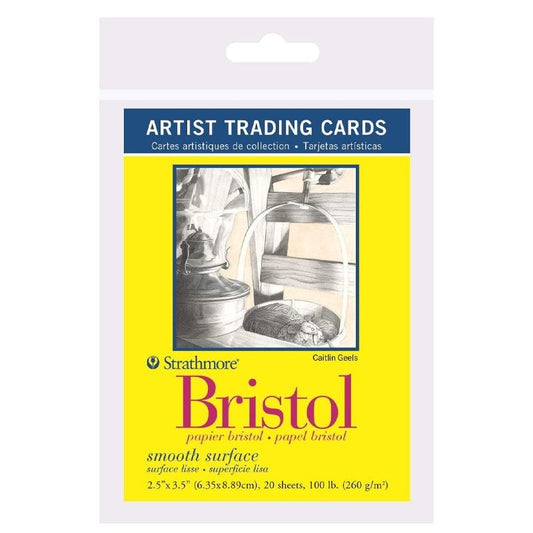
- Bristol paper for clean ink, marker, and illustration
- Toothy drawing paper for charcoal and pastel
- Sketchbooks for practice and warmups
- Heavier sheets for finished drawings
If you are practicing, do not make every sheet too precious. A dependable drawing pad gives you room to experiment.
Best Paper for Ink and Calligraphy
Ink needs a paper that can keep a clean edge.
If the paper is too absorbent, ink can feather, bleed, or spread. For calligraphy, lettering, and pen work, look for smooth, well-sized paper.
Good options include:
- Hot press watercolor paper
- Bristol paper
- Marker paper
- Specialty calligraphy paper
- Smooth mixed media paper
Always test your ink first. Fountain pen ink, India ink, acrylic ink, alcohol markers, and dip pens can all behave differently on the same sheet.
Best Paper for Printmaking
Printmaking paper needs to be strong enough to handle pressure, soft enough to receive ink, and absorbent enough to transfer beautifully.
For printmaking, look for cotton or mould-made printmaking papers that can handle soaking, ink, pressure, and handling.
Good printmaking paper is useful for:
- Etching
- Relief printing
- Letterpress
- Screen printing
- Monotype
- Collagraph
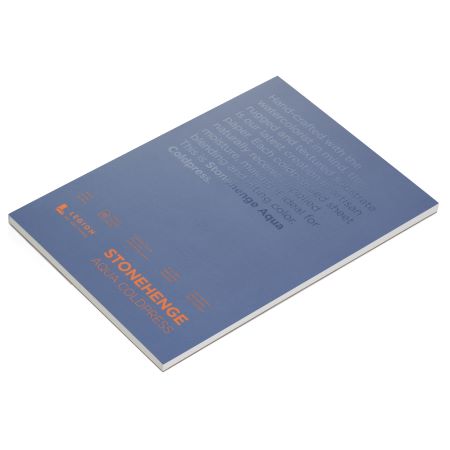
Professional printmaking papers often have a soft, strong surface that allows ink to transfer cleanly while still holding up through the process. For this paper, one of our local artists Matt Bender prefers 90lb Stonehenge Sheets for his Printmaking needs.
Best Paper for Mixed Media
Mixed media paper is a wonderful choice when you like to combine materials.
It can work for pencil, ink, watercolor, acrylic, collage, marker, light washes, and sketchbook experiments. It is especially helpful for artists who do not want to be limited to one medium.
Use mixed media paper for:
- Sketchbook practice
- Ink and watercolor studies
- Light acrylic layers
- Collage
- Art journaling
- Classroom projects
If you plan to use a lot of water, upgrade to watercolor paper. Mixed media paper can do many things, but heavy watercolor washes usually need a true watercolor surface.
How to Use Fine Art Paper Effectively
Once you have chosen good paper, a few simple habits can help you get better results.
Test Before Starting a Major Piece
Use a small corner or scrap to test your paint, pencil, ink, marker, or brush pen. This helps you see how the paper reacts before you commit to a full artwork.
Use the Right Side of the Sheet
Some papers have a preferred working side. One side may have slightly different texture or sizing. If the paper feels different from front to back, test both sides.
Tape or Stretch Paper for Wet Techniques
If you are using large watercolor washes, tape your paper to a board or consider stretching it. This helps reduce buckling as the paper absorbs water. Be sure to use acid-free tape.
Tip: not all tapes are created equal, so to help prevent tearing of the paper when you peel up the tape, take a blow dryer or heat tool and quickly wave over the tape to warm up the glue a bit on the tape and then pull off the tape. (at Huntsville Art Supplies, we have easy peel, acid free tape in various sizes.
Let Layers Dry Fully
Watercolor, gouache, and ink behave better when layers have time to settle. Rushing can cause lifting, muddy color, or torn paper fibers.
Store Paper Flat and Dry
Fine art paper should be kept away from humidity, dust, direct sunlight, and bent corners. Store sheets flat in a portfolio, flat file, or protective folder.
Save Your Scraps
Paper scraps are perfect for testing color mixes, brushstrokes, ink lines, pencil layers, and marker behavior. Do not throw away those little offcuts too quickly.
Our Fine Art Paper Recommendations
If you are new to fine art paper, you do not need to buy every kind of paper at once. Start with the paper that matches what you actually want to make.
For Beginners
Start with a quality cold press watercolor pad, a dependable drawing pad, and a mixed media sketchbook. This gives you room to experiment without feeling like every sheet is too precious.
For Watercolor Artists Ready to Upgrade
Try a 100% cotton cold press watercolor paper in 140 lb / 300 gsm. Trusted professional options often include papers from Arches, Fabriano Artistico, Saunders Waterford, and Hahnemühle, depending on availability and your preferred surface.
For Printmakers
Look for hot press, cotton or mould-made printmaking papers that can handle pressure, ink, soaking, and repeated handling. Stonehenge, Somerset, Arches, Fabriano, and other professional printmaking papers are common examples.
For Calligraphy, Book Arts, and Presentation Pieces
Handmade or deckle-edge papers can add a traditional, special feel. These papers are beautiful when the paper itself is part of the finished presentation. If you use watercolor paper, go for hot press for the smooth texture and higher quality to ensure the inks can sit on top of the sizing for crisp lines.
For Students, Sketchers, and Everyday Practice
Accessible brands such as Bee Paper and student-grade Fabriano options can be useful for studies, warmups, sketching, and experimentation.
Why Shop Fine Art Paper at Huntsville Art Supplies?
Buying paper online can be tricky.
A product photo cannot always show you the texture, stiffness, color, weight, tooth, absorbency, or feel of a sheet. And with fine art paper, those details matter.
At Huntsville Art Supplies, we help artists choose paper based on their medium, skill level, budget, and project. Whether you are buying your first watercolor pad or comparing professional cotton sheets, our goal is to help you avoid wasting money on paper that does not match the way you work.
We can help you understand:
- Hot press vs. cold press watercolor paper
- Cotton vs. cellulose paper
- Sketch paper vs. watercolor paper
- Drawing paper vs. mixed media paper
- When it is worth upgrading to a professional sheet
- Which paper is best for watercolor, ink, drawing, calligraphy, or printmaking
- And most importantly, we can let you feel the difference
Shopping local also supports the Huntsville creative community. Ask us about beginner-friendly art supplies, professional artist papers, workshops, demos, local art events, and in-store or online offers.
Take a short quiz and we'll tell you what to get!
🎨 Skip straight to the Art Paper Quiz
Frequently Asked Questions About Fine Art Paper
What is the difference between fine art paper and regular paper?
Fine art paper is made for art materials. It is usually stronger, more durable, and better suited for water, pigment, ink, pressure, and layering than regular office paper.
Can you iron cold press paper to make it hot press?
No, not truly. Ironing cold press paper may flatten the surface slightly, but it will not turn it into true hot press paper. Hot press paper gets its smooth surface during the papermaking process, while cold press paper has a built-in texture. Too much heat can also affect the paper sizing, create shiny spots, or change how watercolor and ink behave. If you need smooth detail, crisp ink lines, botanical painting, or calligraphy, start with hot press paper instead.
What is the best paper for watercolor?
The best all-purpose watercolor paper is usually cold press watercolor paper in 140 lb / 300 gsm. For finished artwork, many artists prefer 100% cotton watercolor paper because it handles water, lifting, glazing, and layering better.
Is 100% cotton watercolor paper worth it?
Yes, especially for finished watercolor paintings. Cotton paper is stronger and more absorbent, and it usually gives artists better control with washes, wet-on-wet techniques, lifting, and glazing.
What is hot press paper best for?
Hot press paper is best for smooth detail work. Artists use it for botanical watercolor, illustration, pen and ink, calligraphy, colored pencil, and artwork that needs crisp edges.
What is cold press paper best for?
Cold press paper is the most popular watercolor texture. It has a moderate tooth that works well for washes, brushwork, layering, and general watercolor painting.
What makes paper acid-free?
Acid-free paper is made with a neutral or slightly alkaline pH so it resists yellowing, brittleness, and deterioration over time. To make paper acid-free, manufacturers may use purified cellulose, cotton, or rag fibers, remove acidic lignin from wood pulp, avoid acidic additives, and add an alkaline buffer such as calcium carbonate. For artists, acid-free paper is a smart choice for artwork you want to keep, frame, sell, gift, or archive.
What is rough watercolor paper best for?
Rough watercolor paper is best for artists who want visible texture. It is popular for landscapes, expressive watercolor, granulating pigments, dry-brush effects, and dramatic washes.
What does 140 lb / 300 gsm mean?
140 lb / 300 gsm refers to paper weight and thickness. It is a common medium-heavy watercolor paper that works for many techniques. Heavier papers usually buckle less but cost more.
What is paper sizing made from?
Paper sizing can be made from gelatin, starch, or modern synthetic sizing agents. Traditional fine art and watercolor papers were often sized with gelatin, which helps control how quickly water and pigment soak into the sheet. Sizing may be added internally during papermaking, applied to the surface after the sheet is formed, or both. For artists, good sizing means watercolor has time to blend, ink lines stay cleaner, and the paper does not feel overly thirsty.
Why does my watercolor paper buckle?
Watercolor paper buckles when it absorbs water and expands unevenly. To reduce buckling, use heavier paper, tape the edges, stretch the sheet, or use less water.
What is sizing in artist paper?
Sizing is a treatment that controls absorbency. It helps watercolor and ink stay on the surface long enough to blend, lift, or create clean lines instead of soaking in too quickly.
What does acid-free paper mean?
Acid-free paper is made to resist yellowing and deterioration over time. It is a good choice for artwork you want to keep, frame, sell, gift, or archive.
Is handmade paper better than mould-made paper?
Not always. Handmade paper has unique character and beautiful irregularities. Mould-made paper offers a professional feel with more consistency. The better choice depends on your project.
Can I use watercolor paper for gouache, acrylic, or ink?
Yes. Watercolor paper can work well for gouache, ink, and light acrylic applications. For heavy acrylic, heavy mixed media, or collage, choose a thicker paper or a surface designed for that use.
What paper should beginners buy first?
Beginners should start with a cold press watercolor pad, a drawing pad, and a mixed media sketchbook. This combination covers painting, sketching, ink, studies, and experimentation.
How should I store fine art paper?
Store fine art paper flat, dry, and away from direct sunlight. Keep it protected from moisture, dust, and bent corners. For individual sheets, use a portfolio, flat file, or acid-free storage folder.
Final Thoughts: The Right Paper Helps Your Art Shine
Fine art paper connects centuries of papermaking craft with the artwork artists are making today.
The right sheet can make watercolor glow, ink stay crisp, pencil layers build beautifully, and prints feel rich and professional. It can also make the creative process feel less frustrating and more enjoyable.
Whether you are practicing, experimenting, preparing a finished painting, or choosing paper for a special project, Huntsville Art Supplies can help you find a surface that fits your tools, budget, and creative goals.
Explore fine art paper at Huntsville Art Supplies and find the sheet that brings out the best in your next piece.