How to Paint Gouache on Wood Panels (Step-by-Step Guide)
How to Paint Gouache on Wood Panels (Step-by-Step Guide)
If you’re wondering how to paint gouache on wood panels, the answer is yes — and when properly prepared, the results are beautiful.
In this step-by-step guide, you’ll learn:
- How to seal a wood panel for gouache
- Whether you need gesso over GAC 100
- How to finish a gouache painting with wax
- Why wood panels can be better than canvas
This is the exact process we use at Huntsville Art Supplies to create professional, gallery-ready results.
Can You Paint Gouache on Wood Panels?
Yes — but sealing the wood first is essential.
Raw wood is porous and absorbent. Without sealing, paint can:
- Absorb unevenly
- Discolor over time
- Compromise archival stability
Proper preparation creates a smooth, controlled surface that allows gouache to sit beautifully on top.

Why Choose Ampersand Birch Panels?
Ampersand Birch Panels are a newer addition to the Ampersand lineup, offering the solid construction and reliable quality we expect from the brand — at a more accessible price point. While surfaces like Aquabord, Gessobord, and Claybord are exceptional, they can feel like a bigger investment when you’re simply experimenting or trying something new. Birch Panels strike the perfect balance. They provide a sturdy, professional-grade surface that gives you the freedom to explore without hesitation — and if your “experiment” turns into a masterpiece, you can confidently finish and sell it knowing it’s built on a quality support.

Birch panels offer a solid, economical alternative to stretched canvas. Here’s why artists love them:
- Rigid surface — no flexing like canvas
- Smooth texture — ideal for detailed brushwork
- Excellent support for gouache and acrylic
- Professional gallery presentation
- Affordable pricing compared to linen canvas
If you’re searching for the best surface for gouache, sealed birch panels are an excellent option.
How to Seal a Wood Panel for Gouache
Sealing wood before painting creates a stable, professional foundation for your artwork.
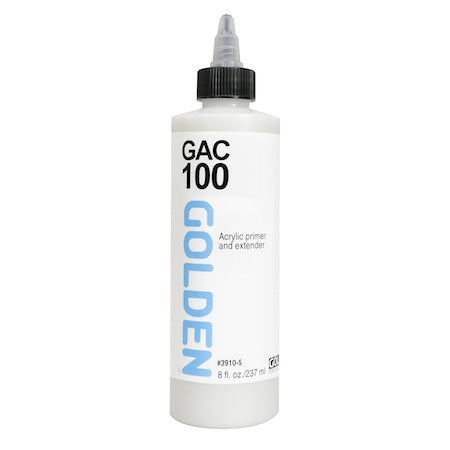
Golden GAC 100
GAC 100:

- Seals wood fibers
- Prevents Support Induced Discoloration (SID)
- Creates a stable painting surface
Raw wood is naturally porous and absorbent, so applying a proper sealer ensures:
- Even paint application
- True, vibrant color
- Long-term surface stability
- Improved archival quality
Step-by-Step Sealing Process
- Apply a thin, even coat with a wide synthetic brush.
- Allow it to dry completely. A thin coat took about 15 minutes to dry. Then lightly sand. I used a paper bag to act as the sand paper.
- Apply a second thin coat if desired.
- Lightly sand if you want an ultra-smooth finish.
Once sealed, your panel is ready for gouache, acrylic, or even oil (with additional proper prep by using gesso).
Painting Gouache on Wood Panels
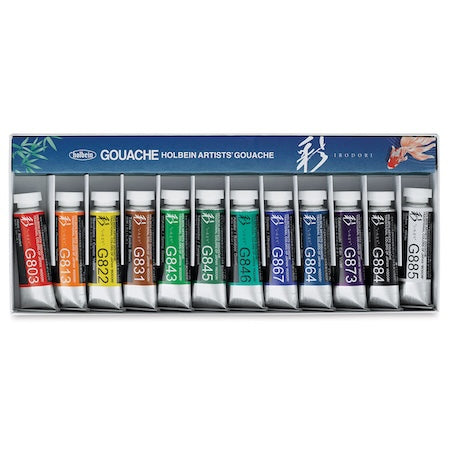
For this demo, I used: Holbein Designers Gouache Spring Set

This curated seasonal palette offers vibrant, sun-drenched colors perfect for landscapes.
For brushes, I used:
Princeton SNAP Brushes
These are affordable, reliable, and perfect for both beginners and workshops.
Tips for Using Gouache on Wood
- Control your water — too much can reactivate previous layers.
- Work confidently — gouache rewards bold, intentional strokes.
- Allow layers to dry before applying the wax sealant.
Because the panel is sealed, the paint sits beautifully on the surface rather than soaking in.
How to Seal and Protect a Gouache Painting
One of the most common questions artists ask is: “Can you varnish gouache?”
Traditional varnish can reactivate gouache. Instead, wax is a safer, flexible alternative.

You can use:
Gamblin Cold Wax Medium
or
Dorland's Wax Medium
How to Apply Wax Over Gouache:
- Ensure the painting is completely dry.
- Apply a very thin layer with a lint-free cloth in a circular motion.
- Allow it to dry.
- Buff gently.
This adds:
- A subtle matte finish
- Surface protection against water that could cause the gouache to reactivate
- A professional, finished appearance
Is Gouache on Wood Archival?
When properly prepared and sealed:
✔ The wood is protected
✔ The paint layer remains stable
✔ The wax adds durability
For artists wanting an affordable yet professional surface, this method is a strong archival choice.
Frequently Asked Questions About Gouache and Panels
Why Paint on Wood Instead of Canvas?

If you’ve always painted on canvas, switching to wood might feel like a big leap — but many artists discover they prefer it once they try it.
1. A Rigid Surface (No Flexing)
Canvas stretches and moves. That flexibility can:
- Cause cracking over time
- Make detailed brushwork more difficult
- Feel “bouncy” under pressure
Wood panels are solid and stable, making them ideal for:
- Fine detail
- Layered gouache
- Glazing
- Palette knife work
2. A Smoother Finish for Precision
If you love:
- Clean lines
- Tight control
- Detailed rendering
A sealed wood panel offers a beautifully smooth surface that supports precision.
3. Greater Long-Term Stability
Canvas can sag.
Wood stays flat.
When sealed correctly, wood panels offer:
- Strong archival support
- Reduced risk of surface cracking
- Structural longevity
4. A Modern, Gallery-Ready Look
Cradled panels have depth and presence. The edges can be:
- Painted
- Stained
- Left natural
Often, they don’t require framing — giving your work a clean, contemporary finish.
5. Excellent for Multiple Mediums
Wood panels work beautifully with:
- Gouache (once sealed)
- Acrylic
- Oil (when properly prepared with GAC 100 and gesso)
- Mixed media
- Cold wax finishes
Because the surface is firm, paint sits on top instead of sinking into fabric.
When should you stick with canvas?
Canvas is still ideal for:
- Large-scale works
- Loose, expressive painting
- Artists who prefer tooth and texture
- Lightweight transport needs
But if you’re looking for precision, stability, a modern aesthetic, and an economical solid substrate, wood panels are worth exploring.
Can I use acrylic instead of gouache?
Yes. Acrylic performs beautifully on sealed wood panels.
Do I need gesso after GAC 100?
Not necessarily. If you prefer more texture or using oil paint, then apply acrylic gesso after sealing.
Can wax replace varnish?
For gouache and watercolor, wax is often safer and more flexible than traditional varnish.
Will wax darken colors?
Slightly — it deepens saturation and adds a soft sheen.
Recommended Gouache and Wood Panel Starter Setup
To try gouache on wood, start with:
- 8x10 Birch Panel
- GAC 100 sealer
- Holbein Irodori Gouache Set
- Princeton SNAP brushes
- Cold wax medium
This combination is approachable, affordable, and produces gallery-ready results. Purchase this starter setup here:
Why Shop at Huntsville Art Supplies?
At Huntsville Art Supplies, we test materials together — not just individually.
We have experienced staff who can discuss:
- How to properly prep surfaces
- How different mediums interact
- How to finish artwork professionally
You’re not just buying supplies — you’re learning how to use them well.
Final Thoughts
If you’ve been searching for:
- How to paint on wood panels
- How to seal wood before painting
- Whether gouache works on wood
- How to protect a gouache painting
Now you know.
With proper preparation and finishing, birch panels become one of the most versatile and economical painting surfaces available.
Stop by Huntsville Art Supplies to see the results of this setup — or grab your supplies and try it yourself.