Why Do My Paintings Look Muddy? How Better Art Supplies Can Improve Your Results
Why Do My Paintings Look Muddy? How Better Art Supplies Can Improve Your Results
Quick answer: Paintings often look muddy because of overmixing, low-pigment paint, too many pigments in one mixture, poor-quality binders, or the wrong surface. Upgrading your most-used colors, choosing the correct paper or panel, and using fewer pigments in each mix can make your paintings look cleaner and more vibrant.
If your colors look dull, your layers dry unevenly, or your paintings never turn out as vibrant as you hoped, the problem may not be your skill. It may be your art supplies.
Many artists blame themselves when paint feels chalky, paper buckles, brushes lose their shape, or colors mix into mud. But low-quality materials can make painting harder than it needs to be.
This guide explains how to choose better art supplies, when professional materials are worth it, and what to look for if you are shopping for art supplies in Huntsville, Alabama.
Why Cheap Art Supplies Can Make Painting Harder
Beginner and craft-grade supplies can be useful for practice, but they often behave differently from artist-grade materials. Lower-quality paint, paper, brushes, and surfaces may cause problems like:
- Muddy color mixes - it may not just be mixing complementary colors....
- Weak or chalky-looking paint
- Paper that warps, pills, or yellows
- Brushes that shed or lose their point
- Paintings that fade faster over time
When your materials fight against you, even simple techniques can feel frustrating. Better supplies do not replace practice, but they can make color mixing, layering, blending, and finishing much easier.
What Makes Professional Art Supplies Different?

Paints with the same color name can behave very differently depending on pigment load, binder quality, and formulation.
High-quality art supplies are usually made with higher-quality pigments, binders, papers, fibers, and surfaces. They are designed for artists who want stronger color, better control, and longer-lasting results.
As you can see in the image above, paints with the same color name can look and behave very differently. One ultramarine blue may appear weaker, duller, or less concentrated than another because of pigment load, binder quality, and formulation. This is why a higher-quality paint can often go farther and give cleaner results. The better choices and use of your money and effort are to purchase a higher-quality brand where a little will go a long way.
1. Higher Pigment Load
Professional paint typically contains more pigment and less filler. That means the color is stronger, cleaner, and more concentrated.
A higher pigment load can help you:
- Mix cleaner colors
- Use less paint overall
- Create stronger darks and brighter colors
- Avoid weak or chalky-looking layers
2. Better Lightfastness
Lightfastness refers to how well a color resists fading when exposed to light. Artist-grade paints often include lightfastness ratings, while many craft paints do not.
If you sell your artwork, display it, give it as a gift, or want it to last, lightfastness matters.
3. Better Paper and Surfaces
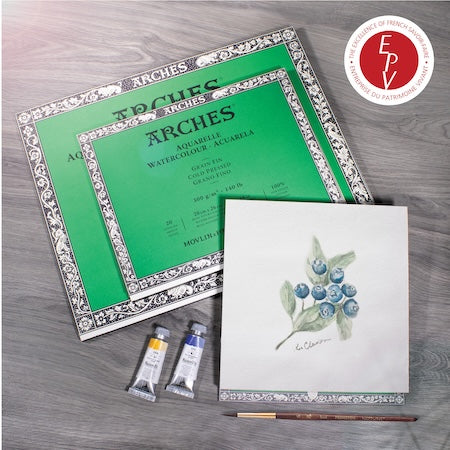
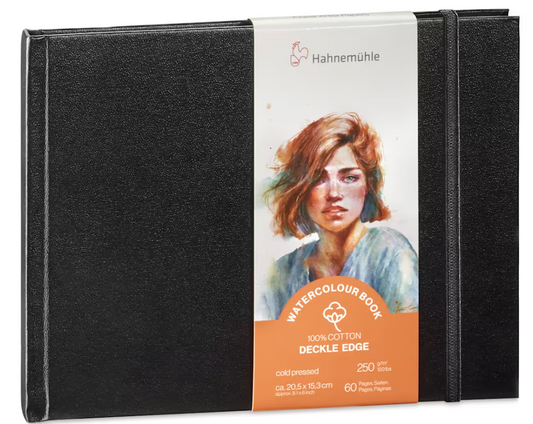
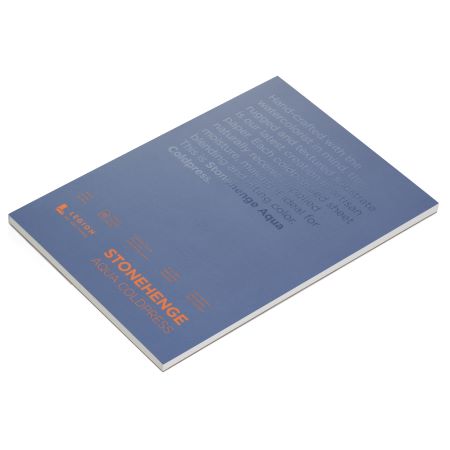
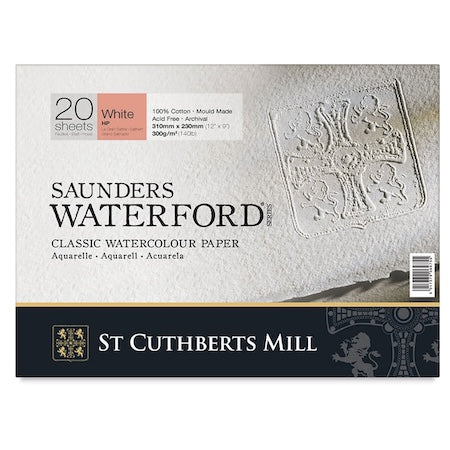
Paper and painting surfaces affect how your materials behave. Watercolor paper, oil-primed panels, acrylic paper, mixed media paper, and drawing paper are not interchangeable.
Using the wrong surface can cause:
- Buckling
- Pilling
- Uneven absorption
- Dull color
- Poor adhesion
If your watercolor looks patchy or your oil paint sinks in, the surface may be part of the problem. Read more about surface selection in the following article "Fine Art Paper Guide: How to Choose the Best Paper for Watercolor, Drawing, Ink & Printmaking"
4. Brushes That Hold Their Shape

A good brush makes it easier to control edges, lines, blending, and texture. Cheap brushes often shed, split, or lose spring quickly.
Better brushes can help with:
- Smoother blending
- Cleaner details
- Better paint pickup
- More control with fewer strokes
Is It Always the Paint?
Not always. Muddy color can happen because of low-pigment paint, but it can also come from overmixing, using too many colors at once, painting on the wrong surface, not letting layers dry, or using a dirty brush. The key is to identify whether the problem is technique, materials, or both.
Student Paint vs. Professional Paint
Student-grade paint is usually more affordable because it contains more filler or less expensive pigment. Professional paint usually has stronger pigment, better handling, and clearer labeling.
| Feature | Student or Craft Paint | Professional Paint |
|---|---|---|
| Pigment Strength | Lower | Higher |
| Color Mixing | Can become muddy faster | Cleaner and more predictable |
| Lightfastness | Often unrated | Often rated for permanence |
| Cost Per Tube | Lower | Higher |
| Cost Per Finished Painting | May be higher if you use more | May be more efficient |
You do not need to buy the most expensive paint when you are just starting. But if your colors always look weak or muddy, start upgrading a few of your go-to colors to start making a big difference.
How to Tell If Your Art Supplies Are the Problem
- Your colors look weak even straight from the tube.
- Your paint turns chalky when mixed with white.
- Your paper buckles, pills, or tears during normal use.
- Your brushes shed hairs or split at the tip.
- Your paint dries patchy even when applied evenly.
- Your artwork fades quickly or the materials do not list permanence ratings.
When Should You Upgrade Your Art Supplies?
You may be ready to upgrade from basic supplies if:
- Your colors look dull no matter what you try
- Your watercolor paper buckles or pills
- Your brushes no longer hold a point or edge
- You are selling or gifting your artwork
- You are preparing work for a show, gallery, or commission
- You want your artwork to last for years
You do not have to replace everything at once. Start with the supplies that affect your current problem the most.
Best Art Supplies to Upgrade First

If you are trying to improve your results without overspending, upgrade in this order:
1. Paper or Painting Surface
Your surface affects almost everything. Watercolor, oil, acrylic, gouache, pastel, and drawing all need different types of paper or panels.
2. Primary Paint Colors
Instead of buying a large cheap set, choose a smaller set of better-quality colors. A limited palette can teach you more about mixing and save money over time.
3. A Few Good Brushes
You do not need dozens of brushes. A few reliable brushes in the right shape and size are usually more helpful than a large pack of low-quality ones.
4. Mediums and Varnishes
Mediums, sealers, and varnishes affect how paint flows, dries, layers, and lasts. Using the wrong product can cause cracking, cloudiness, poor adhesion, or uneven shine.
How to Choose the Right Art Supplies
Before buying new supplies, ask yourself these questions:
- What medium am I using: oil, acrylic, watercolor, gouache, pastel, or drawing?
- Am I practicing, selling, gifting, or displaying the finished artwork?
- Do I need archival materials?
- Am I having a specific problem like muddy color, buckling paper, or patchy drying?
- Do I want a beginner-friendly option or a professional upgrade?
The best art supply is not always the most expensive one. It is the one that solves the problem you are having.
A Smart Starter Upgrade List
If you want better results without replacing everything, start small. A few thoughtful upgrades can make a noticeable difference.
- For watercolor: 100% cotton watercolor paper, a small artist-grade palette, and one quality round brush.
- For oil painting: a properly primed panel, a few professional colors, odorless mineral spirits or appropriate medium, and a reliable brush.
- For acrylic painting: artist-grade primary colors, a suitable acrylic surface, and brushes that can handle heavier-bodied paint.
- For drawing: acid-free paper, artist-grade pencils or charcoal, and a good eraser or blending tool.
Common Painting Problems and What to Try
Problem: My colors look muddy.
Try using fewer colors in each mix, choosing single-pigment paints when possible, and upgrading your most-used colors to artist-grade paint.
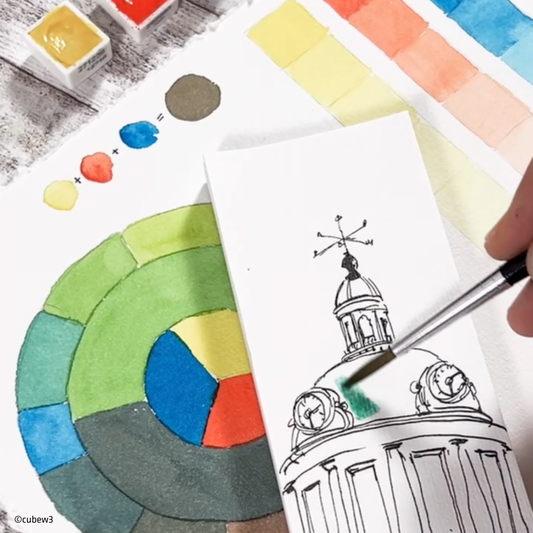
Select colors from the same side of the color wheel to enhance the color. When you mix complementary colors (colors on the opposite side of the color wheel), they will create a neutral color where if you add white will make a natural gray that you'll likely be able to use in other areas (so take that as a learning experience)
Problem: My watercolor paper buckles.
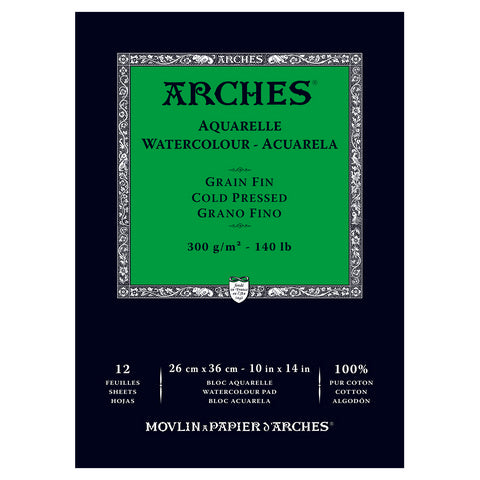
Try heavier watercolor paper, 100% cotton paper, or a block-style pad. Lightweight paper often cannot handle heavy washes.
Problem: My oil paint dries patchy.
Your surface may be too absorbent, or your layers may need better medium control. A properly sealed or primed panel can help. Varnishing the painting, once it is complete, will level out the dull spots to a common sheen. Read more about varnishing here: How to Varnish an Oil Painting: Why It Matters and How to Do It Right
Problem: My brushes lose their shape.
Upgrade to better brushes and clean them properly after each use. Match the brush type to the medium you are using.
Problem: My artwork fades.
Look for lightfast paints, acid-free paper, and archival surfaces. Avoid materials that do not list permanence or lightfastness information.
Where to Buy Art Supplies in Huntsville, Alabama
If you are searching for art supplies in Huntsville, AL, look for a store that can help you choose materials based on your medium, skill level, and goals.
A good art supply store should offer:
- Artist-grade paints and pigments
- Watercolor, drawing, and mixed media papers
- Brushes for oil, acrylic, watercolor, and gouache
- Panels, canvases, and specialty surfaces
- Mediums, sealers, varnishes, and technical guidance
Local guidance can be especially helpful when you are trying to solve a specific problem, such as choosing watercolor paper, sealing a panel, or finding a better brush for detail work.
Frequently Asked Questions
Why does my paint look chalky?
Paint can look chalky when it contains more filler, when too much white is added, or when it is applied to an absorbent surface. Higher-pigment paint and a properly prepared surface can help.
Why do my colors look dull after they dry?
Colors can dry dull because of absorbent paper or panels, low-quality paint, too much water or medium, or uneven drying. In oil painting, varnish can help even out the final sheen once the painting is fully dry.
Can cheap paint make learning harder?
Yes. Cheap paint can make learning harder if the color is weak, chalky, or unpredictable. Beginners do not need the most expensive supplies, but a few reliable materials can make practice more productive.
Is artist-grade paint better for beginners?
Artist-grade paint can help beginners see cleaner color mixing and stronger results, but beginners can start with a small selection instead of buying a large professional set.
What does pigment load mean?
Pigment load refers to how much actual pigment is in the paint compared with binder, filler, or extender. Higher pigment load usually means stronger color and better mixing strength.
Why do my paint colors look muddy?
Colors often look muddy when too many pigments are mixed together, when low-quality paint contains too much filler, or when complementary colors are overmixed. Using fewer colors and higher-pigment paint can help.
Are professional art supplies worth it?
Professional art supplies are worth it when you want stronger color, better control, archival quality, or longer-lasting artwork. Beginners can start with a few upgraded basics instead of buying everything at once.
What art supplies should beginners buy first?
Beginners should start with the correct surface, a small set of reliable colors, and a few good brushes. Avoid buying large sets before you know what medium you enjoy most.
What is the difference between student-grade and artist-grade paint?
Student-grade paint is usually more affordable and may contain more filler. Artist-grade paint typically has more pigment, stronger color, better lightfastness information, and cleaner mixing.
Why does watercolor paper matter?
Watercolor paper affects how water and pigment move. Better watercolor paper can handle more water, more layers, and more lifting without buckling or falling apart. Read more about watercolor paper and properties to consider when purchasing paper for your next watercolor project. Fine Art Paper Guide: How to Choose the Best Paper for Watercolor, Drawing, Ink & Printmaking
What does archival mean in art supplies?
Archival art supplies are designed to last. Look for acid-free paper, lightfast pigments, stable binders, and surfaces made for long-term durability.
Do I need expensive brushes?
You do not need many expensive brushes, but a few good brushes can make painting easier. Better brushes usually hold more paint, keep their shape longer, and give you more control.
What are the best art supplies to upgrade first?
Upgrade your paper or surface first, then your most-used paint colors, then your brushes. These upgrades usually make the biggest difference in your results.
Where can I buy professional art supplies in Huntsville, AL?
Artists in Huntsville can look for local art supply stores that carry professional paints, papers, brushes, panels, and mediums, especially if they need help choosing the right materials for a specific project.
Final Thoughts
If your paintings look muddy, dull, patchy, or difficult to control, do not assume you are doing everything wrong. Your supplies may be working against you.
Better art materials can help you mix cleaner colors, build stronger layers, protect your finished artwork, and enjoy the process more. Start by upgrading the supplies connected to your biggest frustration, whether that is paint, paper, brushes, or surfaces.
The right art supplies make learning easier and finished artwork stronger.